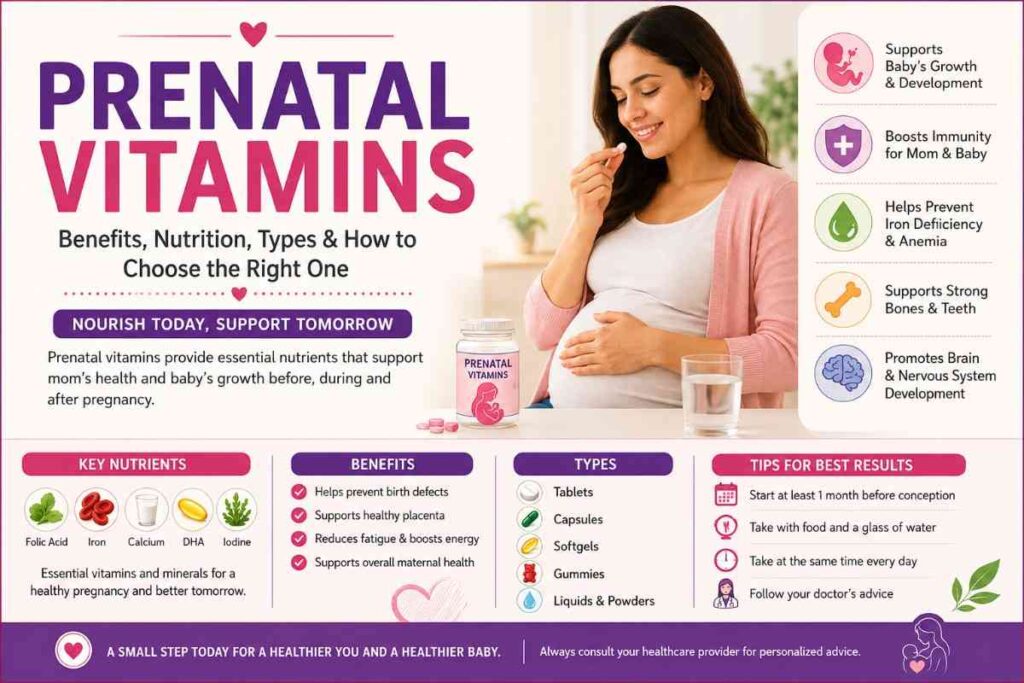

Pregnancy is one of the most exciting and life-changing journeys a person can experience. During these nine months, your body works tirelessly to support the growth and development of your baby. As nutritional needs increase, eating a balanced diet becomes more important than ever. However, even the healthiest diet may not always provide every nutrient needed in the right amounts. This is where prenatal vitamins play a vital role.
Prenatal vitamins are specially formulated dietary supplements designed to meet the increased nutritional demands before conception, during pregnancy, and sometimes while breastfeeding. They contain essential vitamins and minerals that support both maternal health and fetal development.
Research consistently shows that taking prenatal vitamins before and during pregnancy can help reduce the risk of certain birth defects, support healthy fetal brain and spinal cord development, improve maternal nutrient stores, and contribute to a healthier pregnancy overall. In this guide, you’ll learn what prenatal vitamins are, why they matter, their nutritional content, and the science-backed health benefits they offer.
What Are Prenatal Vitamins?
Prenatal vitamins are specially formulated multivitamin supplements created to support women before, during, and after pregnancy. Unlike regular multivitamins, prenatal vitamins contain higher amounts of specific nutrients that are essential for fetal growth and maternal health.
These supplements are not meant to replace a healthy diet. Instead, they help fill nutritional gaps that may occur due to increased nutrient demands during pregnancy. Healthcare providers often recommend starting prenatal vitamins at least one month before conception and continuing throughout pregnancy.
List of Prenatal Vitamins
| Vitamin / Mineral | Typical Amount | Importance During Pregnancy |
|---|---|---|
| Folic Acid (Vitamin B9) | 400–800 mcg | Helps prevent neural tube defects and supports early fetal brain and spinal cord development. |
| Iron | 27 mg | Supports red blood cell production, oxygen transport, and helps prevent iron-deficiency anemia. |
| Calcium | 1,000 mg* | Builds the baby’s bones and teeth while helping maintain the mother’s bone health. |
| Vitamin D | 15 mcg (600 IU) | Aids calcium absorption and supports healthy bones, teeth, and immune function. |
| Vitamin C | 85 mg | Enhances iron absorption, supports immunity, and promotes collagen formation. |
| Vitamin A | 770 mcg RAE | Supports healthy vision, immune function, and fetal organ development. |
| Vitamin E | 15 mg | Acts as an antioxidant and supports healthy cell development. |
| Vitamin K | 90 mcg | Supports normal blood clotting and healthy bone metabolism. |
| Vitamin B1 (Thiamin) | 1.4 mg | Helps convert food into energy and supports the nervous system. |
| Vitamin B2 (Riboflavin) | 1.4 mg | Supports energy production and healthy fetal growth. |
| Vitamin B3 (Niacin) | 18 mg NE | Supports metabolism, skin health, and nervous system function. |
| Vitamin B6 | 1.9 mg | Supports brain development and may help reduce pregnancy-related nausea. |
| Vitamin B12 | 2.6 mcg | Essential for nerve function, DNA synthesis, and red blood cell formation. |
| Biotin | 30 mcg | Supports healthy metabolism, skin, hair, and nails. |
| Pantothenic Acid (Vitamin B5) | 6 mg | Helps produce hormones and convert food into energy. |
| Choline | 450 mg | Supports fetal brain development, memory, and nervous system health. |
| DHA (Omega-3 Fatty Acid) | 200–300 mg | Promotes healthy brain and eye development in the baby. |
| Iodine | 220 mcg | Supports thyroid function and healthy fetal brain development. |
| Zinc | 11 mg | Supports immune function, cell growth, and fetal development. |
| Magnesium | 350–360 mg | Supports muscle, nerve, and bone health and may help reduce muscle cramps. |
| Copper | 1 mg | Helps with iron metabolism and the formation of red blood cells. |
| Selenium | 60 mcg | Acts as an antioxidant and supports thyroid and immune health. |
| Manganese | 2 mg | Supports bone formation and normal metabolism. |
| Chromium | 30 mcg | Helps regulate blood sugar and supports nutrient metabolism. |
| Molybdenum | 50 mcg | Assists enzymes involved in breaking down proteins and other nutrients. |
Note: Many prenatal vitamin supplements contain only 200–300 mg of calcium because calcium requires a large tablet size. Pregnant women are generally encouraged to obtain the remaining calcium needed (about 1,000 mg/day total) from calcium-rich foods such as milk, yogurt, cheese, fortified plant-based beverages, leafy greens, and other dietary sources.
Why Are Prenatal Vitamins Important During Pregnancy?
During pregnancy, your body requires significantly more nutrients to support your growing baby and maintain your own health. Certain nutrients become especially critical because they contribute directly to fetal development and maternal well-being.
For example:
- Folic acid helps prevent neural tube defects.
- Iron supports increased blood volume and oxygen transport.
- Calcium contributes to healthy bone and teeth development.
- Vitamin D improves calcium absorption.
- Iodine supports healthy brain development.
- DHA promotes fetal brain and eye development.
Without adequate intake, nutrient deficiencies may increase the risk of complications such as anemia, low birth weight, premature birth, or developmental problems.
Prenatal vitamins work alongside a nutrient-rich diet to ensure both mother and baby receive essential nutrients throughout pregnancy.
20 Proven Benefits of Prenatal Vitamins
1. Helps Prevent Neural Tube Defects
One of the most well-established benefits of prenatal vitamins is their folic acid content. Taking enough folic acid before conception and during early pregnancy significantly reduces the risk of neural tube defects such as spina bifida and anencephaly. Because the neural tube forms within the first few weeks of pregnancy—often before a person realizes they are pregnant—starting prenatal vitamins early is especially important.
2. Supports Healthy Brain Development
Nutrients such as folate, iodine, choline, vitamin B12, and DHA contribute to the development of the baby’s brain and nervous system. Adequate intake during pregnancy supports cognitive development and healthy neurological growth throughout fetal development.
3. Promotes Healthy Spinal Cord Formation
The spinal cord develops very early in pregnancy. Prenatal vitamins provide essential nutrients that support proper spinal cord formation and help reduce the risk of congenital abnormalities affecting the central nervous system.
4. Reduces the Risk of Iron-Deficiency Anemia
Pregnancy increases blood volume by nearly 50%, which significantly raises iron requirements. Prenatal vitamins typically provide the recommended amount of iron needed to support healthy red blood cell production, reducing the likelihood of iron-deficiency anemia. Maintaining healthy iron levels can also help decrease fatigue and support oxygen delivery to both mother and baby.
5. Supports Healthy Placenta Development
The placenta supplies oxygen and nutrients to the growing baby throughout pregnancy. Vitamins and minerals such as iron, folate, vitamin C, zinc, and copper support healthy placental growth and function, helping ensure efficient nutrient transfer between mother and baby.
6. Promotes Healthy Bone Development
Calcium and vitamin D work together to build strong fetal bones and teeth. If calcium intake is inadequate, the body may draw calcium from the mother’s bones to meet the baby’s needs. Prenatal vitamins help support adequate calcium intake alongside a balanced diet.
7. Supports Eye Development
Vitamin A, when included in safe pregnancy-appropriate amounts, plays an important role in the development of the baby’s eyes and vision. Many prenatal vitamins use beta-carotene, which the body converts to vitamin A as needed, helping avoid excessive intake of preformed vitamin A.
8. Strengthens the Immune System
Pregnancy naturally changes the immune system. Vitamins C, D, E, zinc, and selenium found in prenatal vitamins support normal immune function, helping maintain the health of both the mother and the developing baby.
9. Supports Healthy Thyroid Function
Iodine is essential for producing thyroid hormones, which regulate metabolism and are critical for fetal brain development. Prenatal vitamins containing iodine help meet increased needs during pregnancy and support normal thyroid function.
10. May Help Reduce Pregnancy Fatigue
Feeling tired is common during pregnancy, especially during the first and third trimesters. Adequate intake of iron, vitamin B12, folate, and other B vitamins supports energy production and healthy red blood cell formation, which may help reduce fatigue related to nutrient deficiencies.
11. Supports Healthy Red Blood Cell Production
During pregnancy, the body produces more blood to nourish the growing baby. Vitamins such as folate, vitamin B12, vitamin B6, and iron are essential for making healthy red blood cells. Adequate levels of these nutrients help transport oxygen efficiently throughout the body, supporting both maternal health and fetal growth.
12. Helps Reduce the Risk of Certain Pregnancy Complications
While prenatal vitamins cannot prevent all pregnancy complications, maintaining adequate nutrient intake may lower the risk of issues associated with nutritional deficiencies. For example, sufficient folate, vitamin D, calcium, and iron intake supports a healthy pregnancy and may contribute to better maternal and fetal outcomes when combined with regular prenatal care.
13. Supports Healthy Fetal Growth
A growing baby depends entirely on the mother’s nutrient supply. Prenatal vitamins provide essential vitamins and minerals that help support healthy development of organs, muscles, bones, skin, and other tissues throughout pregnancy.
14. Supports Healthy Muscle Function
Minerals such as magnesium, calcium, and potassium (when included in the diet) contribute to proper muscle function. Adequate magnesium intake may also help reduce occasional muscle cramps that some pregnant women experience, particularly during the second and third trimesters.
15. Helps Maintain Maternal Bone Health
As your baby develops, calcium demands increase. If dietary intake is insufficient, the mother’s body may use calcium stored in her bones. Prenatal vitamins, along with calcium-rich foods, help support maternal bone strength while meeting the baby’s developmental needs.
16. Supports Healthy Skin and Tissue Growth
Vitamin C is necessary for collagen production, which supports healthy skin, connective tissues, blood vessels, and wound healing. Zinc and vitamin A also play important roles in tissue growth and repair during pregnancy.
17. Supports Heart Health
Iron helps deliver oxygen throughout the body, while magnesium contributes to normal muscle and nerve function, including the function of the heart muscle. Maintaining adequate levels of these nutrients supports overall cardiovascular health during pregnancy.
18. Helps Support Healthy Birth Weight
Proper maternal nutrition is associated with healthy fetal growth. Prenatal vitamins help ensure that essential nutrients are available throughout pregnancy, supporting appropriate fetal development alongside a nutritious diet and regular prenatal care.
19. Supports Breastfeeding Preparation
Many healthcare providers recommend continuing prenatal vitamins while breastfeeding. Nutrients such as iodine, vitamin D, vitamin B12, calcium, and DHA help replenish maternal nutrient stores and support the nutritional quality of breast milk.
20. Helps Fill Nutritional Gaps
Even women who eat a balanced diet may not consistently meet the increased nutritional requirements of pregnancy. Morning sickness, food aversions, dietary restrictions, or busy lifestyles can make it difficult to consume enough essential nutrients. Prenatal vitamins help bridge these nutritional gaps, ensuring more consistent nutrient intake throughout pregnancy.
Who Should Take Prenatal Vitamins?
Prenatal vitamins are beneficial for more than just pregnant women. Healthcare professionals often recommend them for several groups based on their nutritional needs.
1. Women Planning Pregnancy
Experts recommend starting prenatal vitamins at least one month before trying to conceive. Since the baby’s neural tube develops very early, having enough folic acid before pregnancy begins is especially important.
2. Pregnant Women
All pregnant women generally benefit from prenatal vitamins because nutrient requirements increase significantly throughout pregnancy.
3. Women Undergoing Fertility Treatment
Individuals undergoing fertility treatments or trying to conceive may be advised to take prenatal vitamins to ensure optimal nutritional status before pregnancy.
4. Breastfeeding Mothers
Many healthcare providers recommend continuing prenatal vitamins during breastfeeding to help support maternal recovery and provide nutrients important for milk production.
5. Women with Dietary Restrictions
Vegetarians, vegans, and individuals with food allergies or certain medical conditions may have a higher risk of nutrient deficiencies. Prenatal vitamins can help supplement nutrients that may be difficult to obtain through diet alone.
When Should You Start Taking Prenatal Vitamins?
Timing matters when it comes to prenatal nutrition.
Before Pregnancy
The ideal time to begin taking prenatal vitamins is at least one month before conception. Some healthcare providers recommend starting as early as three months before trying to become pregnant.
During Pregnancy
If you didn’t begin taking prenatal vitamins before becoming pregnant, it’s still beneficial to start as soon as you learn you’re expecting.
After Delivery
Continuing prenatal vitamins during the postpartum period, especially while breastfeeding, can help replenish nutrients used during pregnancy and support ongoing nutritional needs.
Types of Prenatal Vitamins
Prenatal vitamins come in several forms to suit different preferences and needs.
1. Tablets
Traditional tablets are widely available and often contain a comprehensive blend of vitamins and minerals. They are a cost-effective option but may be difficult for some people to swallow.
2. Capsules
Capsules are generally easier to swallow and may have less noticeable taste or odor. They are available in both standard and delayed-release formulations.
3. Softgels
Softgel prenatal vitamins often include DHA or omega-3 fatty acids. They are smooth, easy to swallow, and may be more comfortable for those who dislike tablets.
4. Gummies
Gummy prenatal vitamins are popular because they taste pleasant and are easy to chew. However, some gummies may contain little or no iron, so it’s important to read the label carefully.
5. Liquid Prenatal Vitamins
Liquid formulations can be a good option for individuals who have difficulty swallowing pills or experience significant nausea.
6. Powder Prenatal Supplements
Some prenatal nutrients are available in powdered form that can be mixed into water or smoothies, making them convenient for people who struggle with capsules or tablets.
7. Prescription Prenatal Vitamins
Healthcare providers may prescribe specialized prenatal vitamins for women with high-risk pregnancies, anemia, or certain medical conditions requiring additional nutrients.
How to Choose the Best Prenatal Vitamin
Not all prenatal vitamins are identical. Consider the following factors when selecting one.
1. Look for Essential Nutrients
Choose a product that contains key nutrients such as:
- Folic acid
- Iron
- Vitamin D
- Calcium
- Iodine
- Vitamin B12
- Zinc
- Vitamin C
Some products also include DHA and choline, which support fetal brain development.
2. Check Third-Party Testing
Independent quality testing helps verify that supplements contain the ingredients listed on the label and are free from harmful contaminants. Look for products tested by recognized organizations whenever possible.
3. Consider Your Dietary Needs
If you follow a vegetarian, vegan, gluten-free, or allergen-free diet, select a prenatal vitamin that aligns with your dietary preferences.
4. Evaluate Tolerance
If you experience nausea or stomach discomfort, ask your healthcare provider whether a different formulation—such as gummies, softgels, or a lower-iron option with separate iron supplementation—may be appropriate.
5. Consult Your Healthcare Provider
Every pregnancy is unique. Your healthcare provider can recommend the most appropriate prenatal vitamin based on your health history, laboratory results, and individual nutritional needs.
Possible Side Effects of Prenatal Vitamins
Most people tolerate prenatal vitamins well, but mild side effects can occur.
- Constipation: The iron in prenatal vitamins may slow bowel movements, leading to constipation in some people.
- Nausea: Some individuals may experience mild nausea, especially when taking prenatal vitamins on an empty stomach.
- Upset Stomach: Certain ingredients can cause stomach discomfort, indigestion, or mild abdominal pain.
- Dark Stools: Iron supplements commonly cause stools to appear dark green or black, which is usually harmless.
- Metallic Taste: Some prenatal vitamins may leave a temporary metallic taste in the mouth.
- Bloating: A few people may notice bloating or a feeling of fullness after taking prenatal supplements.
- Diarrhea: Although less common than constipation, some prenatal vitamins may cause mild diarrhea.
- Vomiting: Strong smells or large tablets may trigger vomiting in individuals with severe morning sickness.
- Allergic Reactions: Rarely, some people may experience an allergic reaction to certain ingredients, such as dyes, fillers, or gelatin.
- Difficulty Swallowing: Large prenatal tablets can be difficult to swallow, especially during pregnancy when nausea is common.
Taking prenatal vitamins with food or before bedtime may help reduce stomach discomfort. If side effects persist or become severe, speak with your healthcare provider rather than stopping the supplement on your own.
Safety Tips for Taking Prenatal Vitamins
To get the most benefit from prenatal vitamins, keep these practical tips in mind.
- Take them exactly as directed by your healthcare provider.
- Avoid taking more than the recommended dose unless instructed.
- Do not combine multiple vitamin supplements without medical advice.
- Store supplements out of reach of children.
- Drink plenty of water if your supplement contains iron.
- Eat a balanced diet alongside supplementation.
- Inform your healthcare provider about all medications and supplements you take.
- If you miss a dose, take the next scheduled dose rather than doubling up.
Prenatal Vitamins vs. Food: Do You Need Both?
Prenatal vitamins are designed to supplement, not replace, a healthy diet.
Whole foods provide fiber, antioxidants, healthy fats, protein, and many beneficial plant compounds that supplements cannot fully replicate. Fruits, vegetables, whole grains, lean proteins, dairy products, legumes, nuts, seeds, and healthy fats remain the foundation of good nutrition during pregnancy.
Prenatal vitamins help ensure that essential nutrients—particularly folic acid, iron, iodine, and vitamin D—are available in sufficient amounts when dietary intake falls short.
The healthiest approach combines a well-balanced diet, appropriate prenatal supplementation, regular prenatal checkups, physical activity as recommended by your healthcare provider, and adequate hydration.
FAQ’s
Can I take prenatal vitamins if I’m not pregnant?
Yes. They are often recommended for women who are trying to conceive. However, if you’re not pregnant or planning a pregnancy, consult your healthcare provider before taking them regularly.
Do prenatal vitamins replace a healthy diet?
No. Prenatal vitamins are meant to supplement a balanced diet, not replace nutrient-rich foods.
What nutrients are most important in prenatal vitamins?
Key nutrients include folic acid, iron, calcium, vitamin D, iodine, vitamin B12, zinc, choline, and DHA.
Should I continue taking prenatal vitamins after giving birth?
Many healthcare providers recommend continuing prenatal vitamins while breastfeeding to help support both maternal health and breast milk nutrition.
Can I take prenatal vitamins with other supplements?
Avoid combining multiple vitamin or mineral supplements unless your healthcare provider recommends it, as excessive intake of certain nutrients can be harmful.
Are gummy prenatal vitamins as effective as tablets?
Gummy prenatal vitamins can be effective, but some contain little or no iron. Always compare the nutrition label and choose one that meets your healthcare provider’s recommendations.
Can prenatal vitamins improve fertility?
Prenatal vitamins do not directly increase fertility, but they help correct nutrient deficiencies and prepare the body for a healthy pregnancy, especially by providing adequate folic acid.
What are prenatal vitamins for?
Prenatal vitamins provide essential nutrients that support a healthy pregnancy, fetal development, and the mother’s nutritional needs.
What happens when you take prenatal vitamins when not pregnant?
They are generally safe but may contain higher amounts of nutrients like iron and folic acid than most people need. Consult your healthcare provider before taking them regularly.
Which prenatal vitamin is best for pregnancy?
Choose one that contains folic acid, iron, vitamin D, calcium, iodine, and vitamin B12. Your healthcare provider can recommend the best option for you.
Which multivitamin is best during pregnancy?
A prenatal multivitamin specifically formulated for pregnancy is the best choice, as it provides nutrients needed for both mother and baby.
Sources / References:
- American College of Obstetricians and Gynecologists (ACOG)
- Centers for Disease Control and Prevention (CDC) – Folic Acid
- National Institutes of Health (NIH) – Office of Dietary Supplements
- World Health Organization (WHO)
- Academy of Nutrition and Dietetics
- Mayo Clinic
About the Author:
Written by: Kirti Solanki (Health Content Researcher)
Kirti Solanki is a Health Content Researcher who creates evidence-based content on pregnancy, nutrition, and wellness. She simplifies complex health topics using information from trusted medical organizations and scientific research.
Disclaimer:
This article is for informational purposes only and is not a substitute for professional medical advice, diagnosis, or treatment. Always consult your healthcare provider before taking prenatal vitamins or making changes to your diet or supplement routine, especially during pregnancy.
Also Read: