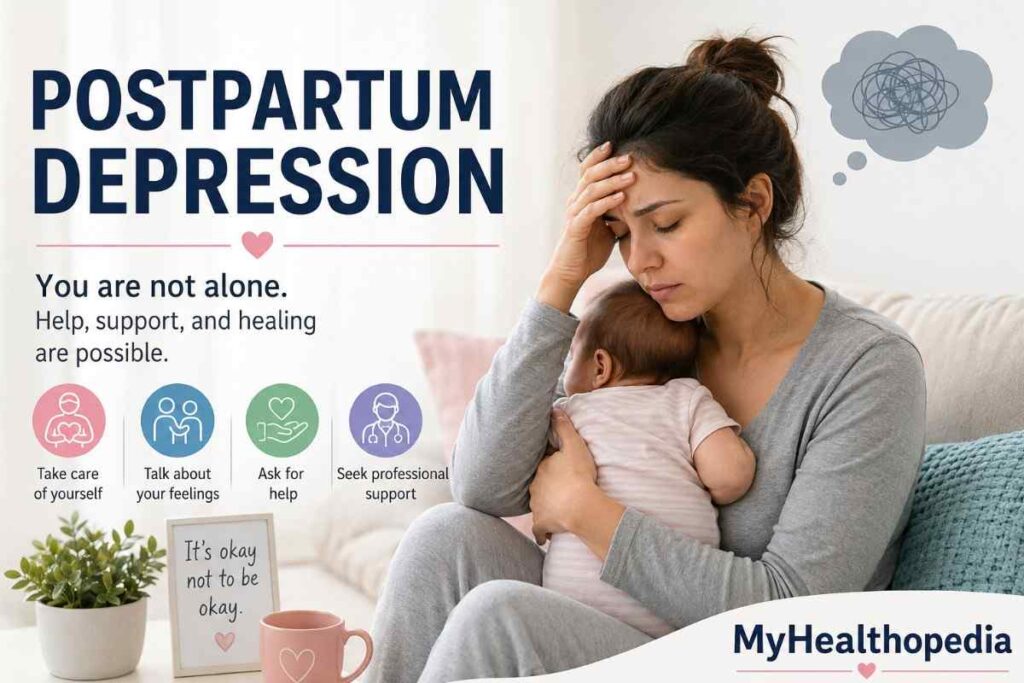

Becoming a parent is often described as one of life’s happiest experiences. However, for many women, the weeks and months after childbirth can bring unexpected emotional challenges. While occasional mood swings and exhaustion are common, persistent sadness, hopelessness, anxiety, and difficulty bonding with the baby may indicate postpartum depression (PPD).
Postpartum depression is a serious but treatable mental health condition that affects millions of mothers worldwide. It is not a sign of weakness, failure, or poor parenting. With early diagnosis, proper treatment, and emotional support, most women recover fully and enjoy healthy relationships with their babies.
This guide explains everything you need to know about postpartum depression, including symptoms, causes, risk factors, diagnosis, treatment options, recovery tips, and frequently asked questions.
What Is Postpartum Depression?
Postpartum depression (PPD) is a form of clinical depression that develops during pregnancy or after childbirth, usually within the first year after delivery. Unlike the temporary “baby blues,” postpartum depression lasts longer, becomes more intense, and interferes with daily life and caring for the baby.
PPD affects both emotional and physical well-being. Mothers may experience persistent sadness, overwhelming fatigue, anxiety, guilt, irritability, and loss of interest in activities they once enjoyed.
Without treatment, symptoms can continue for months or even years. Fortunately, most women improve significantly with appropriate medical care and emotional support.
Postpartum Depression vs. Baby Blues
| Feature | Baby Blues | Postpartum Depression |
|---|---|---|
| Onset | 2–3 days after birth | Within weeks or months after birth |
| Duration | Up to 2 weeks | More than 2 weeks |
| Severity | Mild | Moderate to severe |
| Daily functioning | Usually unaffected | Often significantly affected |
| Need for treatment | Usually no | Often yes |
How Common Is Postpartum Depression?
Research suggests that approximately 1 in 7 women experience postpartum depression after childbirth. The condition can affect mothers regardless of age, income, education, or previous mental health history.
It may also occur after:
- First pregnancy
- Second or later pregnancies
- Miscarriage
- Stillbirth
- Adoption
- Premature birth
Fathers and partners can also develop postpartum depression, although it is less common.
Signs and Symptoms of Postpartum Depression
Symptoms vary from person to person and may develop gradually or suddenly.
Common Emotional Symptoms
- Persistent sadness
- Frequent crying
- Feeling empty or numb
- Hopelessness
- Worthlessness
- Excessive guilt
- Anxiety or panic attacks
- Mood swings
- Irritability
- Feeling overwhelmed
Physical Symptoms
- Extreme fatigue
- Low energy
- Sleep problems
- Appetite changes
- Headaches
- Body aches
- Difficulty concentrating
Behavioral Symptoms
- Loss of interest in hobbies
- Withdrawing from family and friends
- Difficulty bonding with the baby
- Avoiding baby care
- Feeling like a bad parent
Serious Warning Signs
Seek immediate medical help if a mother experiences:
- Thoughts of self-harm
- Thoughts of harming the baby
- Hallucinations
- Delusions
- Confusion
- Severe agitation
These symptoms may indicate postpartum psychosis, a rare medical emergency requiring immediate treatment.
Causes of Postpartum Depression
There is no single cause. Experts believe postpartum depression results from a combination of biological, emotional, psychological, and social factors.
1. Hormonal Changes
After childbirth, estrogen and progesterone levels drop rapidly, which may contribute to mood changes.
2. Sleep Deprivation
New parents often experience interrupted sleep, which can worsen emotional health.
3. Emotional Stress
Adjusting to parenthood can create feelings of fear, uncertainty, and pressure.
4. Physical Recovery
Pain, surgical recovery, breastfeeding challenges, and fatigue may contribute to depression.
5. Previous Mental Health Conditions
Women with anxiety or depression before pregnancy have a higher risk.
Postpartum Depression Risk Factors
A woman may be more likely to develop postpartum depression if she has:
- Previous depression
- Anxiety disorders
- Family history of depression
- Bipolar disorder
- Stressful life events
- Financial difficulties
- Relationship problems
- Pregnancy complications
- Premature delivery
- Difficult labor
- Limited social support
- Thyroid disorders
- Multiple births (twins or triplets)
- Unplanned pregnancy
Having risk factors does not guarantee postpartum depression, but awareness helps with early detection.
Stages of Postpartum Depression (PPD)
Although postpartum depression does not have officially recognized medical “stages,” symptoms often progress in the following way if left untreated:
| Stage | What Happens | Common Symptoms |
|---|---|---|
| Stage 1: Baby Blues (Early Emotional Changes) | Occurs within the first few days after childbirth and usually resolves within two weeks. | Mood swings, crying spells, irritability, anxiety, feeling overwhelmed, trouble sleeping. |
| Stage 2: Early Postpartum Depression | Symptoms become more frequent and last longer than two weeks. | Persistent sadness, fatigue, loss of interest in activities, guilt, difficulty concentrating, changes in appetite or sleep. |
| Stage 3: Moderate Postpartum Depression | Depression begins to interfere with daily life, relationships, and caring for the baby. | Difficulty bonding with the baby, social withdrawal, hopelessness, low energy, increased anxiety, feelings of worthlessness. |
| Stage 4: Severe Postpartum Depression | Symptoms become intense and significantly affect mental and physical health. Professional treatment is essential. | Extreme sadness, panic attacks, severe insomnia, overwhelming guilt, inability to care for oneself or the baby, thoughts of self-harm. |
| Stage 5: Postpartum Psychosis (Rare Medical Emergency) | A rare but life-threatening condition that usually develops within the first two weeks after childbirth. Immediate emergency medical care is required. | Hallucinations, delusions, confusion, paranoia, bizarre behavior, thoughts of harming oneself or the baby. |
Can Postpartum Depression Get Worse Over Time?
Yes. Without treatment, postpartum depression can progress from mild symptoms to more severe depression. Seeking help early from a healthcare provider can prevent symptoms from worsening and improve recovery outcomes.
When Does Postpartum Depression Start?
Symptoms may appear:
- During pregnancy
- Within days after childbirth
- Several weeks later
- Up to one year postpartum
Some women may not recognize symptoms immediately because they assume exhaustion and emotional changes are normal after having a baby.
How Is Postpartum Depression Diagnosed?
Healthcare providers diagnose postpartum depression based on:
- Medical history
- Mental health history
- Physical examination
- Discussion of symptoms
- Depression screening questionnaires such as the Edinburgh Postnatal Depression Scale (EPDS)
Doctors may also perform blood tests to rule out thyroid disorders or other medical conditions that mimic depression.
Treatment for Postpartum Depression
Treatment depends on symptom severity and individual needs.
1. Counseling (Psychotherapy)
Talk therapy is one of the most effective treatments.
Common approaches include:
- Cognitive Behavioral Therapy (CBT)
- Interpersonal Therapy (IPT)
- Family therapy
Therapy helps mothers identify negative thought patterns, improve coping skills, and strengthen relationships.
2. Medications
Doctors may prescribe antidepressants when necessary.
Some medications are considered compatible with breastfeeding, but treatment should always be discussed with a qualified healthcare provider.
Never start or stop antidepressants without medical advice.
3. Support Groups
Connecting with other parents experiencing similar struggles can reduce isolation and provide emotional reassurance.
4. Lifestyle Changes
Healthy daily habits can support recovery alongside professional treatment.
Examples include:
- Regular sleep whenever possible
- Balanced nutrition
- Gentle exercise
- Time outdoors
- Relaxation techniques
- Asking family members for help
Can Postpartum Depression Go Away on Its Own?
Mild symptoms may improve naturally, but true postpartum depression often requires professional treatment.
Ignoring symptoms may increase the risk of:
- Chronic depression
- Relationship problems
- Difficulty bonding with the baby
- Delayed child development
- Poor maternal health
Early treatment usually leads to faster recovery.
How Long Does Postpartum Depression Last?
Recovery varies.
| Severity | Average Recovery Time |
|---|---|
| Mild | Several weeks |
| Moderate | 3–6 months |
| Severe | 6–12 months or longer |
Many women recover completely with proper treatment.
Self-Care Tips for Postpartum Depression Recovery
Although self-care alone cannot cure postpartum depression, it plays an important role in healing.
1. Prioritize Sleep
Rest whenever the baby sleeps, and accept help from trusted family members.
2. Eat Nutritious Meals
Choose fruits, vegetables, whole grains, lean protein, healthy fats, and adequate fluids.
3. Stay Active
Short daily walks can improve mood and energy levels.
4. Talk About Your Feelings
Share your emotions with your partner, friends, family, or a therapist.
5. Avoid Isolation
Even brief conversations with supportive people can make a difference.
6. Set Realistic Expectations
You do not need to be a perfect parent. Learning takes time.
7. Accept Help
Allow others to assist with meals, chores, or childcare.
How Partners and Family Can Help?
Support from loved ones is one of the strongest protective factors during recovery.
Helpful ways include:
- Listening without judgment
- Helping with nighttime baby care
- Preparing healthy meals
- Encouraging medical appointments
- Watching for worsening symptoms
- Providing emotional reassurance
- Avoiding criticism
Simple acts of kindness can significantly reduce stress.
Can Breastfeeding Affect Postpartum Depression?
The relationship between breastfeeding and postpartum depression is complex.
Some mothers find breastfeeding comforting and emotionally rewarding.
Others experience stress due to:
- Pain
- Low milk supply
- Latching difficulties
- Sleep deprivation
Every feeding journey is different. Mothers should never feel guilty if breastfeeding is difficult or not possible.
Possible Complications if Left Untreated
Without treatment, postpartum depression may lead to:
- Chronic depression
- Anxiety disorders
- Poor infant bonding
- Marriage or relationship difficulties
- Breastfeeding challenges
- Delayed child emotional development
- Poor physical health
- Reduced quality of life
Early intervention greatly improves outcomes.
Can Postpartum Depression Be Prevented?
Not every case can be prevented, but the risk may be reduced by:
- Receiving prenatal mental health screening
- Building a support network before delivery
- Managing stress during pregnancy
- Getting adequate rest
- Treating depression or anxiety before childbirth
- Attending postpartum follow-up appointments
- Seeking help early when symptoms begin
When Should You See a Doctor?
Consult a healthcare provider if symptoms:
- Last longer than two weeks
- Become worse over time
- Affect daily activities
- Interfere with caring for yourself or your baby
- Cause panic attacks
- Include thoughts of self-harm or harming the baby
Seek emergency medical care immediately if you experience:
- Thoughts of harming yourself or your baby
- Hallucinations or hearing voices
- Delusions or irrational beliefs
- Severe confusion or disorientation
- Inability to care for yourself or your newborn
Early diagnosis and treatment can significantly improve recovery, and most people with postpartum depression recover successfully with appropriate care.
FAQs
Is postpartum depression common?
Yes. Around one in seven mothers experience postnatal depression after childbirth.
Can postpartum depression happen months after birth?
Yes. Symptoms may begin several months after delivery and can develop anytime within the first year postpartum.
How do I know if I have baby blues or postpartum depression?
Baby blues usually resolve within two weeks. Symptoms lasting longer or becoming more severe may indicate postpartum depression.
Can fathers get postpartum depression?
Yes. Fathers and partners can also experience perinatal depression, especially during the baby’s first year.
Is postpartum depression permanent?
No. Most women recover completely with early diagnosis, treatment, and support.
Can postpartum depression affect my baby?
Untreated perinatal depression may affect bonding and child development, making early treatment important.
Can breastfeeding mothers take antidepressants?
Some antidepressants may be appropriate during breastfeeding. A healthcare provider can recommend the safest option based on individual circumstances.
Does postpartum depression require hospitalization?
Most women do not require hospitalization. However, severe cases involving psychosis or suicidal thoughts require immediate emergency care.
Can postpartum depression return with another pregnancy?
Yes. Women who have experienced postnatal depression have a higher risk in future pregnancies, but preventive care and early monitoring can reduce that risk.
What is the fastest way to recover from postpartum depression?
There is no instant cure. Early medical care, therapy, support from loved ones, healthy lifestyle habits, and prescribed treatment offer the best chance for recovery.
Is postpartum depression treatable?
Yes. Most women recover with counseling, therapy, medication (when needed), and support from family and healthcare professionals.
Is it possible to fully recover from postpartum depression?
Yes. With early diagnosis, appropriate treatment, and ongoing support, most women make a full recovery and return to their normal daily lives.
How do I deal with postpartum depression?
If you think you have postnatal depression, talk to your healthcare provider as soon as possible. Treatment may include therapy, medication, support groups, healthy eating, regular rest, light exercise, and help from family and friends. Early treatment can speed up recovery.
How do I know if I have postpartum depression?
You may have postpartum depression if you experience persistent sadness, anxiety, frequent crying, hopelessness, irritability, trouble sleeping, difficulty bonding with your baby, or loss of interest in daily activities for more than two weeks after childbirth. A healthcare provider can confirm the diagnosis through a medical evaluation.
Key Takeaways:
- Postpartum depression is a common medical condition, not a personal failure.
- It is different from the temporary baby blues.
- Symptoms can include sadness, anxiety, exhaustion, guilt, and difficulty bonding with the baby.
- Early diagnosis improves recovery.
- Therapy, medication, and family support are highly effective treatments.
- Mothers should seek professional help if symptoms persist beyond two weeks or become severe.
Recovery is possible, and asking for help is one of the strongest steps a parent can take for themselves and their child.
Sources / References:
- World Health Organization (WHO) – Maternal Mental Health
- American College of Obstetricians and Gynecologists (ACOG)
- Office on Women’s Health (U.S. Department of Health & Human Services)
- Centers for Disease Control and Prevention (CDC)
- National Institute of Mental Health (NIMH) – Perinatal Depression
- Mayo Clinic
About the Author:
Written by: Kirti Solanki (Health Content Researcher)
Kirti Solanki is a Health Content Researcher who creates evidence-based, reader-friendly health articles focused on women’s health, nutrition, wellness, and preventive care. Her goal is to simplify complex medical information using reliable scientific sources while promoting informed healthcare decisions.
Disclaimer:
This article is for educational purposes only and should not replace professional medical advice, diagnosis, or treatment. Always consult a qualified healthcare provider regarding concerns about postpartum depression or any other medical condition.
Also Read: