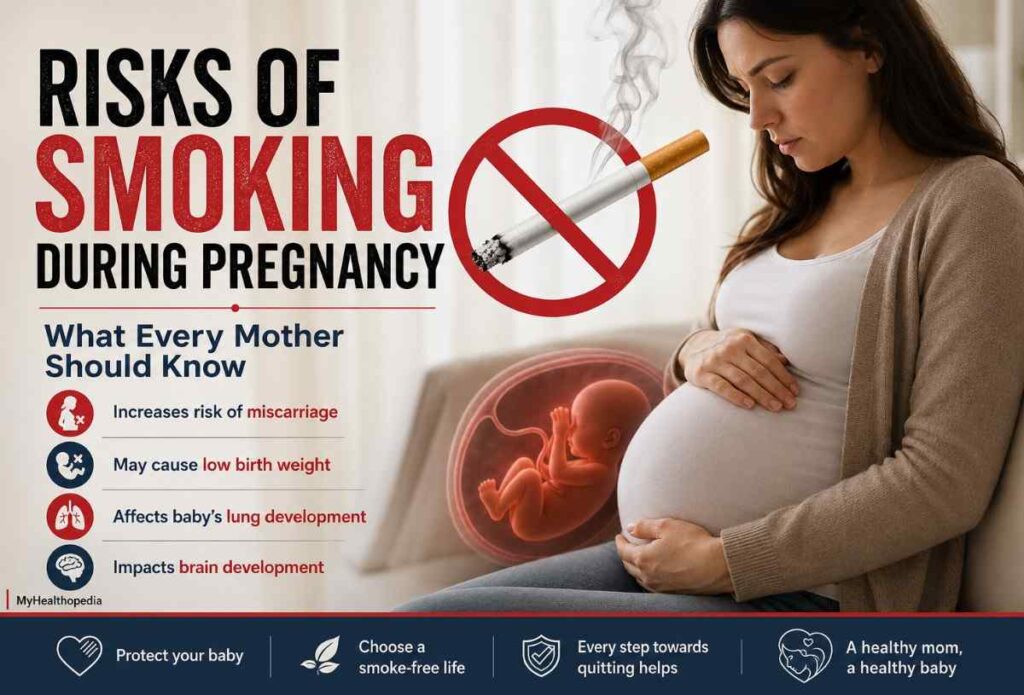

Pregnancy is one of the most important stages of life, and every choice you make can influence your baby’s health and development. While quitting smoking may be difficult, stopping during pregnancy is one of the most beneficial decisions for both mother and baby. Cigarette smoke contains thousands of harmful chemicals that can interfere with your baby’s growth, reduce oxygen supply, and increase the risk of pregnancy complications.
Whether you smoke traditional cigarettes, bidis, cigars, or use other tobacco products, the risks remain significant. Even exposure to secondhand smoke can negatively affect pregnancy outcomes.
This guide explains the health risks of smoking during pregnancy, how it affects fetal development, what happens after birth, and practical ways to quit safely.
What Is Smoking During Pregnancy?
Smoking during pregnancy refers to using tobacco products while expecting a baby. These products include:
- Cigarettes
- Bidis
- Cigars
- Hookah (shisha)
- Pipe tobacco
- Smokeless tobacco (chewing tobacco, snuff)
- Some nicotine-containing products
Tobacco smoke contains over 7,000 chemicals, including nicotine, carbon monoxide, tar, formaldehyde, arsenic, and lead. Many of these substances cross the placenta and reach the developing baby.
Nicotine narrows blood vessels, reducing oxygen and nutrient delivery to the fetus, while carbon monoxide decreases the baby’s oxygen supply.
Why Smoking During Pregnancy Is Dangerous?
Your baby’s organs begin forming very early in pregnancy. During these critical weeks, healthy oxygen and nutrient delivery are essential.
Smoking can:
- Reduce blood flow to the placenta
- Lower oxygen available to the fetus
- Slow fetal growth
- Damage developing organs
- Increase pregnancy complications
- Affect lifelong physical and brain development
The more cigarettes smoked daily, the greater the health risks. However, there is no safe level of smoking during pregnancy.
15 Major Risks of Smoking During Pregnancy
1. Increased Risk of Miscarriage
Smoking raises the likelihood of pregnancy loss, particularly during the first trimester. Toxic chemicals may interfere with normal fetal development and implantation.
2. Ectopic Pregnancy
Women who smoke have a higher risk of ectopic pregnancy, where the fertilized egg implants outside the uterus. This condition is life-threatening and requires immediate medical treatment.
3. Placental Problems
Smoking increases the chances of serious placental complications, including:
- Placenta previa
- Placental abruption
- Poor placental function
These conditions may cause severe bleeding and threaten both mother and baby.
4. Premature Birth
Smoking is one of the leading preventable causes of preterm birth.
Babies born too early may experience:
- Breathing difficulties
- Feeding problems
- Brain complications
- Long hospital stays
- Developmental delays
5. Low Birth Weight
Smoking restricts fetal growth.
Babies born with low birth weight are more likely to experience:
- Infections
- Difficulty maintaining body temperature
- Poor feeding
- Long-term health concerns
6. Reduced Oxygen Supply
Carbon monoxide replaces oxygen in the bloodstream.
This means the baby’s heart must work harder while receiving less oxygen needed for healthy development.
7. Birth Defects
Smoking has been associated with several congenital abnormalities, including:
- Cleft lip
- Cleft palate
- Heart defects
- Limb abnormalities in some cases
8. Poor Lung Development
Smoking affects the baby’s developing lungs before birth.
Children exposed during pregnancy have a higher risk of:
- Asthma
- Wheezing
- Respiratory infections
- Reduced lung function
9. Increased Risk of Stillbirth
Research consistently shows that smoking significantly increases the risk of stillbirth due to reduced oxygen and placental complications.
10. Sudden Infant Death Syndrome (SIDS)
Babies exposed to tobacco smoke during pregnancy have a much higher risk of Sudden Infant Death Syndrome after birth.
11. Brain Development Problems
Nicotine may interfere with fetal brain development.
Some children exposed before birth may have increased risks of:
- Learning difficulties
- Behavioral problems
- Attention problems
- Lower academic performance
Many factors influence child development, but smoking is a known preventable risk factor.
12. Weakened Immune System
Prenatal tobacco exposure may affect the baby’s immune system, increasing susceptibility to infections during infancy.
13. Higher Risk of Childhood Obesity
Some studies suggest prenatal smoking exposure may be linked to an increased risk of obesity and metabolic disorders later in childhood.
14. Pregnancy Complications for the Mother
Smoking also affects maternal health by increasing the risk of:
- High blood pressure
- Poor wound healing
- Placental complications
- Reduced fertility in future pregnancies
15. Long-Term Health Effects
Children exposed to smoking before birth may have increased risks of:
- Chronic respiratory disease
- Ear infections
- Hospital admissions
- Developmental challenges
How Smoking Affects Each Trimester
First Trimester
- Higher miscarriage risk
- Birth defect risk
- Early placental damage
- Reduced embryo development
Second Trimester
- Restricted fetal growth
- Reduced oxygen supply
- Placental complications
Third Trimester
- Preterm labor
- Low birth weight
- Stillbirth risk
- Poor lung development
Quitting at any stage of pregnancy can still improve outcomes.
Secondhand Smoke During Pregnancy
Even if you do not smoke, breathing other people’s tobacco smoke can expose you and your baby to harmful chemicals.
Secondhand smoke may increase the risk of:
- Low birth weight
- Premature birth
- Respiratory illness
- Pregnancy complications
Avoid smoking environments whenever possible and ask household members not to smoke indoors or near you.
Is Vaping Safe During Pregnancy?
Electronic cigarettes are often marketed as safer than traditional cigarettes, but they are not considered safe during pregnancy.
Many vaping products contain:
- Nicotine
- Heavy metals
- Flavoring chemicals
- Ultrafine particles
Nicotine itself can affect fetal brain and lung development. If you’re pregnant and using e-cigarettes, speak with your healthcare provider about safer ways to quit nicotine.
Benefits of Quitting Smoking During Pregnancy
Stopping smoking provides benefits almost immediately.
Potential benefits include:
- Better oxygen supply for the baby
- Improved fetal growth
- Lower risk of premature birth
- Reduced miscarriage risk
- Better placental function
- Improved maternal circulation
- Lower risk of low birth weight
- Healthier lung development
Even quitting later in pregnancy can still reduce several risks.
Safe Ways to Quit Smoking During Pregnancy
Every pregnancy is different, so discuss a quit plan with your healthcare provider. Helpful strategies include:
1. Set a Quit Date
Choose a realistic day to stop smoking completely.
2. Identify Triggers
Recognize situations that make you want to smoke, such as stress or social settings.
3. Remove Tobacco Products
Discard cigarettes, lighters, ashtrays, and related items from your home and car.
4. Seek Professional Support
Your doctor, midwife, or smoking cessation counselor can recommend evidence-based support.
5. Ask Family Members for Help
A smoke-free home makes quitting easier and protects your baby from secondhand smoke.
6. Stay Active
Pregnancy-safe exercise, if approved by your healthcare provider, can help reduce cravings and improve mood.
7. Practice Stress Management
Deep breathing, prenatal yoga, meditation, and relaxation techniques may help manage withdrawal symptoms.
Can Nicotine Replacement Therapy Be Used?
Nicotine replacement therapy (NRT), such as patches or gum, should only be used during pregnancy under medical supervision. Although NRT may expose the baby to less harmful chemicals than cigarettes, nicotine still carries risks. Your healthcare provider can help determine whether the benefits outweigh the risks in your specific situation.
Myths About Smoking During Pregnancy
Myth: Cutting down is enough.
Reality: Smoking fewer cigarettes may reduce exposure, but no amount of smoking has been proven safe during pregnancy.
Myth: Quitting suddenly harms the baby.
Reality: For most pregnant women, quitting smoking is safer than continuing. If you have concerns, consult your healthcare provider.
Myth: Light cigarettes are safer.
Reality: Light or low-tar cigarettes still expose both mother and baby to harmful chemicals.
Myth: Smoking only outside protects the baby.
Reality: Smoking outdoors reduces secondhand smoke exposure but does not eliminate the harmful effects of smoking on the fetus.
When to Seek Medical Advice?
Contact your healthcare provider if you:
- Are unable to quit smoking
- Experience vaginal bleeding
- Notice decreased fetal movement (later in pregnancy)
- Have severe abdominal pain
- Experience early labor symptoms
- Need support for nicotine withdrawal
Never hesitate to ask for help—many effective pregnancy-safe support programs are available.
FAQs
Can smoking cause birth defects?
Yes. Smoking during pregnancy has been linked to certain birth defects, including cleft lip, cleft palate, and some congenital heart defects.
Does smoking affect my baby’s brain development?
Yes. Nicotine and other harmful chemicals can interfere with fetal brain development and may increase the risk of learning, attention, and behavioral problems later in life.
Can smoking during pregnancy cause low birth weight?
Yes. Smoking reduces the baby’s oxygen and nutrient supply, which can slow growth and result in low birth weight.
Is passive smoking dangerous during pregnancy?
Yes. Regular exposure to secondhand smoke may increase the risk of pregnancy complications and affect fetal growth.
Is vaping safer than smoking during pregnancy?
No. Most e-cigarettes contain nicotine and other chemicals that may harm your baby’s developing brain and lungs. Vaping is not considered safe during pregnancy.
Does quitting during the second trimester still help?
Yes. Quitting at any stage of pregnancy can improve oxygen delivery and lower several risks.
How soon do the benefits of quitting begin?
Benefits begin almost immediately. Your baby’s oxygen supply improves, and the risk of complications gradually decreases after you stop smoking.
Can smoking cause a miscarriage?
Yes. Smoking increases the risk of miscarriage, especially during the early stages of pregnancy.
Does smoking increase the risk of premature birth?
Yes. Smoking is a major preventable cause of preterm labor and premature delivery.
Can smoking affect the placenta?
Yes. Smoking increases the risk of placenta previa, placental abruption, and poor placental function, which can endanger both mother and baby.
Will smoking make it harder for my baby to breathe after birth?
It can. Babies exposed to tobacco smoke before birth have a higher risk of asthma, wheezing, lung infections, and reduced lung function.
Can smoking during pregnancy affect breastfeeding?
Yes. Nicotine passes into breast milk and may reduce milk production and affect your baby’s sleep and feeding patterns.
Is it better to reduce smoking or quit completely?
Quitting completely is the best option. While smoking fewer cigarettes may lower exposure, no amount of smoking is considered safe during pregnancy.
Can my partner’s smoking affect my pregnancy?
Yes. If your partner smokes around you, secondhand smoke can increase health risks for both you and your baby.
Are nicotine patches safe during pregnancy?
Nicotine replacement therapy should only be used under the guidance of a healthcare provider, as the benefits and risks need to be carefully assessed.
Can smoking increase the risk of stillbirth?
Yes. Smoking significantly increases the risk of stillbirth by reducing oxygen supply and affecting placental function.
What should I do if I smoked before knowing I was pregnant?
Don’t panic. Stop smoking as soon as possible and speak with your healthcare provider. Quitting early can still greatly improve your baby’s health outcomes.
What happens if I smoke at 2 weeks pregnant?
Smoking at 2 weeks pregnant can expose your baby to harmful chemicals and increase the risk of miscarriage and developmental problems. Quitting as early as possible is best.
Can I quit smoking at 6 months pregnant?
Yes. Quitting at 6 months can still improve your baby’s health and lower the risk of pregnancy complications.
How bad is smoking while pregnant?
Smoking during pregnancy increases the risk of miscarriage, premature birth, low birth weight, birth defects, and stillbirth. No amount of smoking is considered safe.
Can one cigarette hurt my baby?
There is no known safe amount of smoking during pregnancy. Quitting completely provides the greatest protection.
Final Thoughts
Smoking during pregnancy is one of the most preventable causes of complications for both mother and baby. Every cigarette exposes the developing fetus to harmful chemicals that can affect growth, oxygen supply, and long-term health.
The good news is that quitting at any point during pregnancy can make a meaningful difference. With support from healthcare professionals, family, and evidence-based cessation programs, many women successfully stop smoking and improve the chances of a healthier pregnancy and baby. Making your home and lifestyle smoke-free is one of the greatest gifts you can give your child before they are even born.
Sources / References:
- World Health Organization (WHO)
- Centers for Disease Control and Prevention (CDC)
- American College of Obstetricians and Gynecologists (ACOG)
- National Health Service (NHS)
- March of Dimes
- Eunice Kennedy Shriver National Institute of Child Health and Human Development (NICHD)
About the Author:
Written by: Kirti Solanki (Health Content Researcher)
Kirti Solanki researches evidence-based health and nutrition topics, translating medical information into clear, practical, and reader-friendly articles. Her content emphasizes accuracy, trusted sources, and informed healthcare decisions.
Disclaimer:
This guide is for educational purposes only and should not replace professional medical advice, diagnosis, or treatment. Always consult your obstetrician, midwife, or another qualified healthcare provider regarding pregnancy-related concerns.
Also Read: