
Bringing a baby into the world is a life-changing experience, but many new mothers wonder how they can safely lose the extra weight gained during pregnancy. While it’s natural to want to return to your pre-pregnancy body, postpartum weight loss is not a race. Your body has spent months growing and nourishing a baby, and it deserves time to recover.
The healthiest approach to losing pregnancy weight focuses on balanced nutrition, gentle physical activity, quality sleep, and patience. Crash diets, excessive exercise, or unrealistic expectations can interfere with recovery, reduce energy levels, and even affect breastfeeding.
In this guide, you’ll learn when it’s safe to start losing pregnancy weight, why postpartum weight loss varies from one woman to another, and the best science-backed strategies to help you lose weight while supporting your overall health.
What Is Pregnancy Weight?
Pregnancy weight refers to the total amount of weight a woman gains while carrying a baby. This weight includes much more than body fat. It consists of:
- The growing baby
- Placenta
- Amniotic fluid
- Increased blood volume
- Enlarged uterus
- Breast tissue
- Extra body fluids
- Fat stores that provide energy during pregnancy and breastfeeding
Many women naturally lose several kilograms shortly after childbirth due to the delivery of the baby, placenta, and fluids. The remaining weight usually decreases gradually over the following months through healthy lifestyle habits.
Why Does Pregnancy Weight Take Time to Lose?
Many celebrities seem to lose pregnancy weight within weeks, but this isn’t realistic for most women. Every pregnancy and postpartum recovery is different.
Several factors influence postpartum weight loss, including:
1. Hormonal Changes
Hormones fluctuate significantly after childbirth. These changes can affect appetite, metabolism, mood, and energy levels, making weight loss slower than expected.
2. Recovery from Childbirth
Whether you had a vaginal birth or a cesarean delivery, your body needs time to heal before engaging in more intense physical activity.
3. Sleep Deprivation
Newborns wake frequently during the night. Lack of sleep can increase hunger hormones and cravings while reducing motivation to exercise.
4. Breastfeeding
Breastfeeding burns additional calories, but it doesn’t guarantee rapid weight loss. Some women lose weight faster while breastfeeding, whereas others retain weight until breastfeeding decreases.
5. Lifestyle Changes
Caring for a newborn often leaves little time for meal preparation, exercise, or self-care, making consistent healthy habits more challenging.
When Is It Safe to Start Losing Pregnancy Weight?
The right time depends on your recovery and your healthcare provider’s advice.
After a Vaginal Birth
Most women can begin gentle walking, stretching, and pelvic floor exercises within a few days if they feel comfortable. More structured exercise is usually appropriate after the postpartum checkup, typically around six weeks.
After a Cesarean Section
Recovery generally takes longer after a C-section. Most healthcare providers recommend waiting until the incision has healed and you receive medical clearance before resuming moderate exercise.
If You’re Breastfeeding
Avoid restrictive diets. Your body requires adequate calories, protein, vitamins, and minerals to support milk production and recovery.
Rather than focusing on rapid weight loss, aim for gradual progress of approximately 0.5–1 pound (0.2–0.5 kg) per week after the first few weeks postpartum, unless your healthcare provider recommends otherwise.
How Much Weight Do Women Typically Lose After Giving Birth?
Immediately after delivery, many women lose around 10–13 pounds (4.5–6 kg) due to the baby’s birth, placenta, and amniotic fluid.
During the following weeks:
- Fluid retention gradually decreases.
- The uterus returns to its normal size.
- Healthy eating and regular movement contribute to continued weight loss.
Many women naturally return close to their pre-pregnancy weight within 6–12 months, although this timeline varies depending on genetics, activity level, breastfeeding, sleep quality, and overall health.
15 Safe Ways to Lose Pregnancy Weight Safely
1. Focus on Recovery Before Weight Loss
Your body has gone through enormous physical changes. Healing should always come before trying to lose weight.
Instead of counting calories immediately, prioritize:
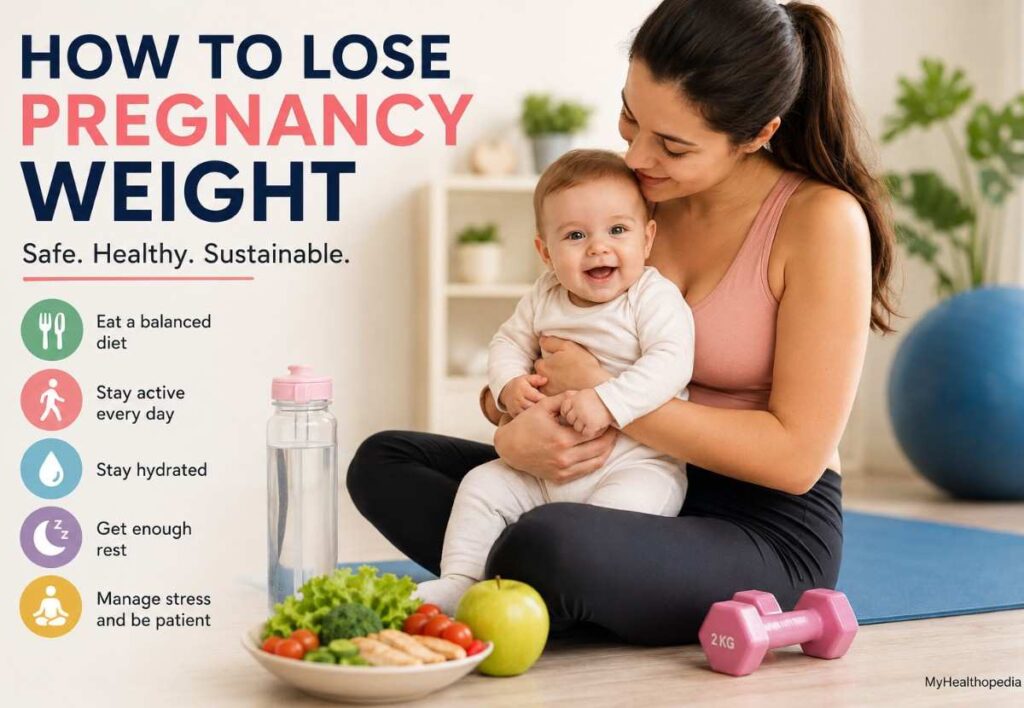
- Getting enough rest
- Eating nourishing meals
- Staying hydrated
- Following postpartum medical advice
A healthy recovery creates the foundation for long-term weight management.
2. Eat a Balanced, Nutrient-Dense Diet
Your body needs nutrients to recover from childbirth and care for your baby.
A balanced postpartum plate should include:
- Lean protein such as chicken, fish, eggs, tofu, or beans
- Whole grains like oats, brown rice, and whole wheat bread
- Fresh fruits
- Colorful vegetables
- Healthy fats including nuts, seeds, avocado, and olive oil
- Low-fat dairy or fortified dairy alternatives
Protein is particularly important because it promotes healing and helps you stay full longer.
3. Don’t Skip Meals
Skipping meals may seem like an easy way to reduce calories, but it often backfires.
Long gaps between meals can:
- Increase hunger
- Trigger overeating later
- Reduce energy levels
- Affect milk production in breastfeeding mothers
Instead, aim for:
- Three balanced meals
- One or two healthy snacks if needed
Healthy snack ideas include:
- Greek yogurt with berries
- Apple slices with peanut butter
- Cottage cheese
- Mixed nuts
- Boiled eggs
- Fresh fruit
4. Stay Hydrated Throughout the Day
Water plays an important role in postpartum recovery.
Proper hydration helps:
- Support digestion
- Replace fluids lost during childbirth
- Maintain energy
- Support breastfeeding
- Reduce confusion between thirst and hunger
Many healthcare professionals recommend drinking water regularly throughout the day and increasing intake if breastfeeding.
A practical tip is to keep a reusable water bottle nearby while feeding or caring for your baby.
5. Breastfeed If Possible
Breastfeeding isn’t a guaranteed weight-loss method, but it may help some women burn additional calories.
Benefits may include:
- Increased daily calorie expenditure
- Faster uterine recovery
- Hormonal changes that support postpartum healing
However, every woman’s experience is different. Some mothers lose weight quickly, while others notice weight loss only after reducing breastfeeding.
Never reduce calories drastically while breastfeeding without consulting your healthcare provider.
6. Start Walking Every Day
Walking is one of the safest and most effective postpartum exercises.
Benefits include:
- Improves circulation
- Burns calories
- Boosts mood
- Strengthens the heart
- Supports gradual weight loss
- Reduces stress
You can begin with:
- 10–15 minutes daily
- Slowly increasing to 30–45 minutes most days of the week
Walking with your baby in a stroller also provides fresh air and can help establish a healthy routine.
7. Include Gentle Strength Training
Once your healthcare provider approves exercise, adding light strength training can help rebuild muscle lost during pregnancy.
Muscle tissue burns more calories than fat, even while you’re resting.
Begin with simple exercises such as:
- Bodyweight squats
- Wall push-ups
- Glute bridges
- Resistance band exercises
- Light dumbbell workouts
Aim for two or three sessions each week while allowing time for recovery.
8. Prioritize Protein at Every Meal
Protein is one of the most important nutrients during the postpartum period. It supports tissue repair, helps maintain muscle mass, and keeps you feeling full for longer, reducing unnecessary snacking.
Aim to include a protein source in every meal and snack.
Healthy protein options include:
- Eggs
- Skinless chicken or turkey
- Fish low in mercury (such as salmon)
- Lentils
- Chickpeas
- Beans
- Tofu
- Greek yogurt
- Cottage cheese
- Milk or fortified plant-based milk
Pairing protein with fiber-rich foods can help stabilize blood sugar levels and support healthy weight management.
9. Fill Half Your Plate with Vegetables
Vegetables are naturally low in calories and high in vitamins, minerals, antioxidants, and fiber. They help you stay satisfied without consuming excess calories.
Try to include a variety of colorful vegetables each day, such as:
- Spinach
- Broccoli
- Carrots
- Bell peppers
- Cauliflower
- Tomatoes
- Cucumbers
- Green beans
- Zucchini
Fresh, frozen, and lightly cooked vegetables all provide valuable nutrients.
10. Choose Healthy Carbohydrates
Carbohydrates are your body’s primary source of energy. New mothers, especially those who are breastfeeding, should not eliminate carbohydrates entirely.
Instead, choose whole-food sources that provide lasting energy.
Examples include:
- Oats
- Brown rice
- Whole wheat bread
- Whole wheat pasta
- Sweet potatoes
- Quinoa
- Barley
- Millets
These foods provide fiber that supports digestion and helps you feel fuller for longer.
11. Limit Added Sugar and Ultra-Processed Foods
Many packaged foods contain large amounts of added sugar, refined flour, unhealthy fats, and excess sodium.
Eating these foods regularly may slow weight loss and increase calorie intake without providing many nutrients.
Try to limit:
- Sugary drinks
- Candy
- Cookies
- Cakes
- Pastries
- Sweetened breakfast cereals
- Potato chips
- Fast food
- Highly processed frozen meals
Instead, satisfy sweet cravings with naturally sweet foods like fresh fruit or plain yogurt topped with berries.
12. Practice Mindful Eating
Caring for a newborn often means eating quickly or while multitasking. This can make it difficult to recognize fullness cues.
Mindful eating involves:
- Eating slowly
- Chewing thoroughly
- Avoiding distractions when possible
- Listening to hunger and fullness signals
- Choosing foods that nourish your body
Even taking a few extra minutes to enjoy your meals can help prevent overeating.
13. Get Enough Sleep Whenever Possible
Sleep is often one of the biggest challenges for new parents.
Research suggests that insufficient sleep may make weight loss more difficult by affecting hormones that regulate hunger and appetite.
Although uninterrupted sleep isn’t always possible with a newborn, consider these strategies:
- Sleep when your baby sleeps.
- Share nighttime responsibilities with your partner or family member.
- Take short naps during the day if needed.
- Avoid excessive screen time before bed.
Even small improvements in sleep quality can benefit your recovery and overall health.
14. Manage Stress in Healthy Ways
The postpartum period can bring emotional and physical challenges. Ongoing stress may contribute to emotional eating and make weight management more difficult.
Healthy stress-management techniques include:
- Gentle stretching
- Deep breathing exercises
- Short walks outdoors
- Talking with supportive friends or family
- Joining a postpartum support group
- Listening to calming music
- Practicing mindfulness or meditation
Remember that taking care of your mental health is just as important as caring for your physical health.
15. Be Patient and Celebrate Small Progress
Healthy postpartum weight loss is gradual.
Instead of focusing only on the number on the scale, celebrate other signs of progress, such as:
- Increased energy
- Better sleep quality
- Improved fitness
- Stronger muscles
- Healthier eating habits
- Better mood
- Clothes fitting more comfortably
Small, consistent lifestyle changes are more sustainable than quick fixes.
Best Foods to Eat for Healthy Postpartum Weight Loss
The right foods provide energy, support healing, and help you feel satisfied while gradually losing weight.
| Food Group | Healthy Choices | Benefits |
|---|---|---|
| Lean Protein | Chicken, fish, eggs, tofu, beans | Supports muscle repair and keeps you full |
| Whole Grains | Brown rice, oats, quinoa, whole wheat bread | Provides lasting energy and fiber |
| Fruits | Apples, berries, oranges, bananas | Rich in vitamins, antioxidants, and fiber |
| Vegetables | Leafy greens, broccoli, carrots, peppers | High in nutrients and low in calories |
| Healthy Fats | Avocados, olive oil, nuts, seeds | Supports hormone balance and heart health |
| Dairy | Milk, yogurt, cottage cheese | Provides calcium and protein |
| Healthy Snacks | Hummus, boiled eggs, fruit, yogurt | Helps control hunger between meals |
Foods to Limit
You don’t have to completely avoid your favorite treats, but limiting certain foods can make healthy weight loss easier.
Try to reduce:
- Sugar-sweetened beverages
- Fried foods
- Fast food
- White bread
- Sugary desserts
- Processed meats
- High-sodium packaged snacks
- Energy drinks
- Alcohol (especially while breastfeeding, unless discussed with your healthcare provider)
Enjoy treats occasionally as part of a balanced eating pattern rather than eliminating them entirely.
Sample One-Day Postpartum Meal Plan
| Meal | Foods to Include | Health Benefits |
|---|---|---|
| Breakfast | 1 bowl of oatmeal cooked with milk, topped with fresh berries and chopped almonds, plus 1 boiled egg | Provides fiber, protein, healthy fats, and long-lasting energy to start the day. |
| Morning Snack | 1 cup plain Greek yogurt with 1 medium apple | Rich in protein, calcium, probiotics, and fiber to keep you full between meals. |
| Lunch | Grilled chicken breast (or tofu), 1 cup brown rice, steamed broccoli, carrots, and a side salad with olive oil dressing | Supplies lean protein, complex carbohydrates, vitamins, minerals, and healthy fats for recovery. |
| Afternoon Snack | Carrot and cucumber sticks with 2–3 tablespoons of hummus | Offers fiber, plant-based protein, and healthy fats while satisfying hunger. |
| Dinner | Baked salmon (or lentil curry), roasted sweet potato, and steamed green beans | Provides omega-3 fatty acids, protein, fiber, and essential nutrients that support postpartum healing. |
| Evening Snack (Optional) | Cottage cheese with sliced strawberries or a small banana | Delivers protein and calcium while helping curb late-night hunger. |
| Hydration | 8–10 glasses (2–3 liters) of water throughout the day; herbal tea or milk as desired | Supports hydration, digestion, energy levels, and breastfeeding (if applicable). |
Best Exercises After Pregnancy
Once your healthcare provider approves physical activity, combining aerobic exercise with strength training can help improve fitness and support gradual weight loss.
1. Walking
A low-impact activity suitable for most women during postpartum recovery.
2. Pelvic Floor Exercises
Strengthen the muscles that support the bladder, uterus, and bowel, especially after vaginal delivery.
3. Core Rehabilitation
Gentle core exercises can help rebuild abdominal strength. If you have diastasis recti, seek guidance from a qualified healthcare professional before starting abdominal workouts.
4. Yoga
Improves flexibility, posture, balance, and relaxation while reducing stress.
5. Pilates
Strengthens the core, improves posture, and supports overall stability.
6. Strength Training
Light resistance exercises help rebuild muscle and increase overall strength. Focus on proper technique and gradually increase intensity as your body recovers.
Aim for at least 150 minutes of moderate-intensity physical activity each week, as recommended by health authorities, once you have been medically cleared.
Breastfeeding and Weight Loss
Breastfeeding increases energy demands because your body uses calories to produce breast milk. However, the amount of weight loss varies among women.
If you are breastfeeding:
- Eat a balanced diet with enough calories to support milk production.
- Drink plenty of water throughout the day.
- Avoid crash diets or fasting.
- Continue taking prenatal or postnatal vitamins if recommended by your healthcare provider.
Remember that your baby’s nutrition and your recovery are priorities during this stage.
Sleep, Stress, and Hormones
Hormonal changes after childbirth, combined with sleep deprivation and stress, can make losing weight more challenging.
To support your body’s recovery:
- Maintain a consistent eating schedule.
- Stay physically active.
- Accept help from family and friends when available.
- Make time for relaxation, even if it’s just a few minutes each day.
Focusing on overall wellness rather than rapid weight loss can lead to healthier, more sustainable results.
Common Weight-Loss Mistakes to Avoid
- Starting intense workouts too soon after delivery.
- Following restrictive or fad diets.
- Skipping meals.
- Drinking sugary beverages regularly.
- Comparing your progress with others.
- Ignoring sleep and stress management.
- Expecting immediate results.
- Exercising despite pain or without medical clearance.
- Cutting calories too aggressively while breastfeeding.
- Neglecting hydration.
Avoiding these common mistakes can support a safer and more sustainable postpartum recovery.
How Long Does It Take to Lose Pregnancy Weight?
There is no single timeline for postpartum weight loss. Every woman’s body responds differently depending on factors such as age, genetics, pregnancy weight gain, activity level, breastfeeding, sleep quality, and overall health.
A gradual and steady approach is generally considered the healthiest.
Typical Postpartum Weight Loss Timeline
| Time After Birth | What to Expect |
|---|---|
| First Week | Most women lose 10–13 pounds (4.5–6 kg) from the baby’s birth, placenta, and fluid loss. |
| 1–3 Months | As your body heals and you establish healthy habits, gradual weight loss may continue. |
| 3–6 Months | Many women notice consistent progress with balanced nutrition and regular physical activity. |
| 6–12 Months | Some women return close to their pre-pregnancy weight, while others may take longer. |
Remember that the goal is not to lose weight as quickly as possible but to regain strength and support your long-term health.
When Should You See a Doctor?
While gradual weight loss is normal, speak with your healthcare provider if you experience any of the following:
- Rapid, unexplained weight loss
- Significant weight gain despite healthy habits
- Severe fatigue that does not improve
- Persistent sadness, anxiety, or mood changes
- Heavy bleeding or worsening pain after childbirth
- Difficulty exercising due to pelvic or abdominal pain
- Concerns about milk supply while breastfeeding
- Symptoms of thyroid problems, such as unexplained weight changes, hair loss, or extreme tiredness
Your healthcare provider can evaluate whether an underlying medical condition, such as postpartum thyroiditis or other hormonal changes, may be affecting your recovery.
FAQs
Is it safe to diet after pregnancy?
Strict or very low-calorie diets are generally not recommended during the postpartum period, particularly if you are breastfeeding. Focus instead on a balanced, nutrient-rich eating pattern.
How many calories do breastfeeding mothers need?
Calorie needs vary based on age, body size, activity level, and breastfeeding status. Many breastfeeding women require additional calories each day to support milk production. Your healthcare provider or a registered dietitian can help determine your individual needs.
Can breastfeeding help with weight loss?
Breastfeeding may help some women burn extra calories, but it doesn’t guarantee weight loss. Maintaining a nutritious diet is important for both your recovery and milk production.
Is it normal to still look pregnant after giving birth?
Yes. Your uterus and abdominal muscles need time to recover, so it’s completely normal for your belly to remain enlarged for several weeks or months after delivery.
How much weight do women lose immediately after giving birth?
Most women lose about 10–13 pounds (4.5–6 kg) right after delivery due to the birth of the baby, placenta, and amniotic fluid.
Why am I not losing pregnancy weight?
Weight loss may be slower due to hormonal changes, lack of sleep, stress, overeating, low physical activity, certain medications, thyroid issues, or genetics.
Can I lose belly fat after pregnancy?
Yes. A healthy diet, regular exercise, core-strengthening exercises (when medically cleared), and patience can help reduce belly fat over time. Spot reduction is not possible.
How much exercise should I do after pregnancy?
After medical clearance, aim for at least 150 minutes of moderate-intensity physical activity per week, along with muscle-strengthening exercises on two or more days each week.
Can I drink coffee while trying to lose pregnancy weight?
Yes, moderate coffee consumption is generally safe for most women. If you’re breastfeeding, follow your healthcare provider’s recommendations regarding caffeine intake.
Does a C-section make weight loss harder?
A cesarean section does not permanently prevent weight loss, but recovery often takes longer. You may need extra time before returning to regular exercise, so patience is important.
Can I exercise every day after pregnancy?
Yes, once your healthcare provider has cleared you for physical activity. Aim for a combination of moderate aerobic exercise, strength training, and flexibility exercises while allowing adequate recovery.
What is the healthiest rate of postpartum weight loss?
For most women, losing approximately 0.5–1 pound (0.2–0.5 kg) per week after the early postpartum period is considered safe and sustainable. Individual recommendations may vary.
Should I avoid carbohydrates to lose pregnancy weight?
No. Healthy carbohydrates such as oats, brown rice, whole grains, fruits, and vegetables provide energy, fiber, and essential nutrients. The focus should be on choosing nutrient-dense carbohydrates rather than eliminating them.
Is pregnancy weight gain permanent?
No, pregnancy weight gain is not usually permanent, and most women can gradually lose it within 6–12 months after childbirth through healthy eating, regular exercise, and consistent lifestyle habits.
Sources / References:
- American College of Obstetricians and Gynecologists (ACOG)
- Centers for Disease Control and Prevention (CDC)
- World Health Organization (WHO)
- Office on Women’s Health (U.S. Department of Health & Human Services)
- Academy of Nutrition and Dietetics
- National Institutes of Health (NIH)
- Mayo Clinic
About the Author:
Written by: Kirti Solanki (Health Content Researcher)
Kirti Solanki is a Health Content Researcher who creates evidence-based, reader-friendly articles on nutrition, pregnancy, wellness, and healthy living. Her goal is to simplify complex medical information into practical, trustworthy guidance supported by credible scientific sources.
Disclaimer:
This guide is for informational and educational purposes only and should not be considered medical advice. Always consult your doctor, obstetrician, or a qualified healthcare professional before starting any diet, exercise, or weight-loss program after pregnancy, especially if you have a medical condition or experienced pregnancy-related complications.
Also Read: