
Pregnancy is an exciting journey filled with physical, emotional, and lifestyle changes. Every decision you make—from the food you eat to the activities you perform—can influence your health and your baby’s development. While pregnancy doesn’t require perfection, making informed choices can help reduce risks and support a healthier pregnancy.
This guide covers the essential do’s and don’ts during pregnancy, along with practical tips backed by recommendations from trusted health organizations.
What Are the Do’s and Don’ts During Pregnancy?
The do’s and don’ts during pregnancy are evidence-based lifestyle recommendations designed to protect both the mother and the developing baby. They include guidance on nutrition, exercise, prenatal care, sleep, medication, travel, and habits such as smoking and alcohol use.
Following these recommendations can help lower the risk of pregnancy complications, support fetal growth, and improve your overall well-being.
Why Following Pregnancy Guidelines Matters
Pregnancy is a period of rapid fetal growth. Your body provides all the nutrients, oxygen, and protection your baby needs. Healthy daily habits can help:
- Support your baby’s brain and organ development.
- Reduce the risk of birth defects.
- Lower the chances of gestational diabetes and high blood pressure.
- Promote a healthy birth weight.
- Improve maternal mental and physical health.
- Increase the likelihood of a smoother delivery and recovery.
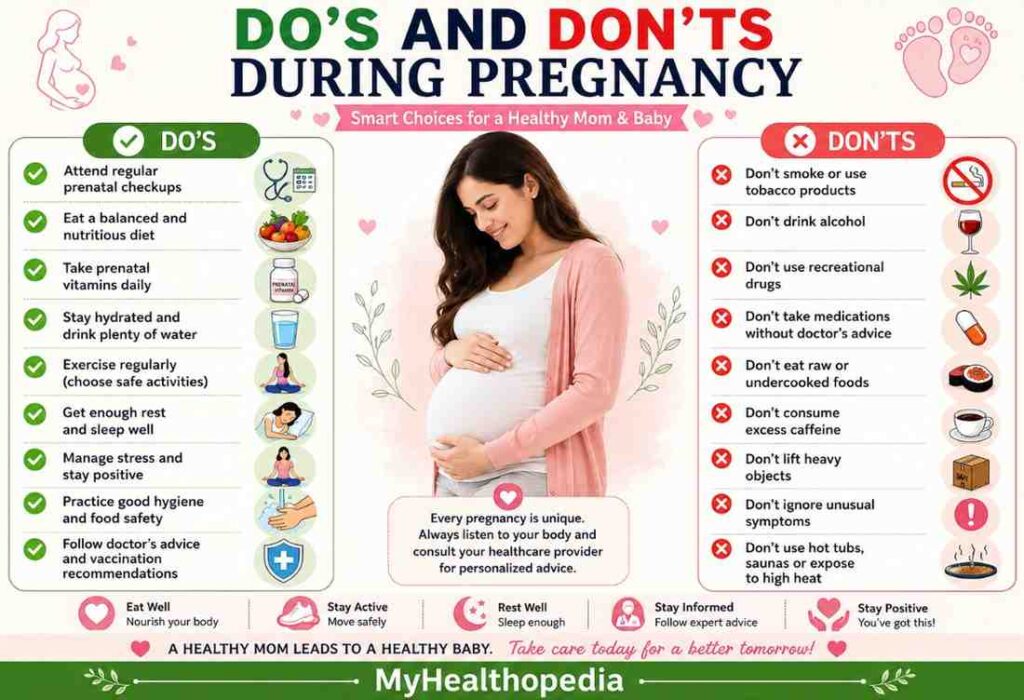
15 Important Do’s During Pregnancy
1. Attend All Prenatal Checkups
Regular prenatal visits help your healthcare provider monitor your baby’s growth, detect complications early, and provide personalized advice throughout pregnancy.
2. Eat a Balanced, Nutrient-Rich Diet
Focus on whole foods including:
- Fruits
- Vegetables
- Whole grains
- Lean protein
- Dairy or calcium-rich alternatives
- Healthy fats
- Legumes
- Nuts and seeds
A varied diet provides essential vitamins and minerals needed for fetal development.
3. Take Prenatal Vitamins Daily
Prenatal supplements help fill nutritional gaps.
Important nutrients include:
- Folic acid
- Iron
- Calcium
- Vitamin D
- Iodine
- DHA (if recommended)
Never exceed the recommended dosage unless advised by your healthcare provider.
4. Stay Hydrated
Drink plenty of water throughout the day.
Proper hydration supports:
- Amniotic fluid levels
- Blood circulation
- Digestion
- Temperature regulation
- Reduced constipation
Most pregnant women need around 2.3–3 liters of fluids daily, depending on climate and activity level.
5. Exercise Regularly
Moderate exercise is generally safe for most healthy pregnancies.
Good options include:
- Walking
- Swimming
- Prenatal yoga
- Stationary cycling
- Low-impact aerobics
Aim for about 150 minutes of moderate activity each week unless your doctor advises otherwise.
6. Get Enough Sleep
Sleep becomes increasingly important during pregnancy.
Try to:
- Sleep 7–9 hours nightly.
- Sleep on your left side after the first trimester when comfortable.
- Use pregnancy pillows for support.
7. Practice Good Food Safety
Reduce the risk of foodborne illness by:
- Washing fruits and vegetables thoroughly.
- Cooking meat completely.
- Avoiding cross-contamination.
- Refrigerating leftovers promptly.
8. Manage Stress
Healthy stress management may improve sleep, mood, and overall pregnancy experience.
Helpful techniques include:
- Meditation
- Deep breathing
- Gentle stretching
- Reading
- Spending time outdoors
- Talking with loved ones
9. Maintain Healthy Weight Gain
Healthy weight gain varies depending on your pre-pregnancy BMI.
Your healthcare provider can recommend an appropriate target for your pregnancy.
10. Keep Vaccinations Updated
Certain vaccines, such as influenza and Tdap, are commonly recommended during pregnancy to help protect both mother and baby.
Always discuss vaccination schedules with your healthcare provider.
11. Practice Good Oral Hygiene
Pregnancy hormones can increase the risk of gum disease.
Brush twice daily, floss regularly, and schedule dental checkups.
12. Wear Comfortable Clothing
Choose:
- Supportive footwear
- Loose clothing
- Maternity bras
- Breathable fabrics
Comfortable clothing can help reduce swelling and improve circulation.
13. Learn About Childbirth
Consider prenatal education classes that cover:
- Labor
- Breastfeeding
- Newborn care
- Recovery after delivery
Education can help reduce anxiety and build confidence.
14. Listen to Your Body
Take breaks when needed.
Fatigue is common during pregnancy, especially in the first and third trimesters.
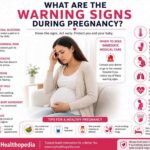
15. Contact Your Doctor About Warning Signs
Seek medical care immediately if you experience:
- Heavy bleeding
- Severe abdominal pain
- Persistent severe headache
- Blurred vision
- Sudden swelling
- Decreased fetal movement (later pregnancy)
- Leakage of fluid
15 Important Don’ts During Pregnancy
1. Don’t Smoke
Smoking increases the risk of:
- Miscarriage
- Premature birth
- Low birth weight
- Stillbirth
Avoid secondhand smoke whenever possible.
2. Don’t Drink Alcohol
No amount of alcohol has been proven safe during pregnancy.
Alcohol exposure may lead to fetal alcohol spectrum disorders (FASDs).
3. Don’t Use Recreational Drugs
Illegal drugs can seriously affect fetal development and increase pregnancy complications.
Seek medical support if you need help stopping substance use.
4. Don’t Take Medications Without Medical Advice
Even over-the-counter medicines and herbal supplements may not be safe during pregnancy.
Always consult your healthcare provider first.
5. Don’t Eat High-Risk Foods
Avoid:
- Raw fish
- Raw shellfish
- Raw eggs
- Unpasteurized milk
- Soft cheeses made from unpasteurized milk
- Raw sprouts
- Undercooked meat
These foods may carry harmful bacteria or parasites.
6. Don’t Consume Excess Caffeine
Limit caffeine intake to around 200 mg daily unless advised otherwise.
High caffeine intake may increase certain pregnancy risks.
7. Don’t Handle Cat Litter
Cat feces may contain parasites that cause toxoplasmosis.
If possible, let someone else clean the litter box.
8. Don’t Use Hot Tubs or Saunas
High body temperatures during early pregnancy may increase certain risks.
Choose warm showers instead.
9. Don’t Lift Heavy Objects
Heavy lifting may strain your back and pelvic muscles.
Use proper lifting techniques or ask for assistance.
10. Don’t Ignore Symptoms
Never dismiss unusual symptoms.
Prompt medical attention often leads to better outcomes.
11. Don’t Skip Meals
Regular nutritious meals help stabilize blood sugar and support fetal growth.
Healthy snacks between meals can also be beneficial.
12. Don’t Sleep Flat on Your Back for Long Periods
Later in pregnancy, sleeping flat on your back may reduce blood flow due to pressure on major blood vessels.
Side sleeping is generally more comfortable.
13. Don’t Overheat During Exercise
Exercise in a cool environment and stay hydrated.
Stop immediately if you feel dizzy, faint, or unwell.
14. Don’t Self-Diagnose Using the Internet
Online information can be misleading.
Always verify health concerns with a qualified healthcare professional.
15. Don’t Compare Your Pregnancy With Others
Every pregnancy is unique.
Differences in symptoms, weight gain, cravings, and delivery experiences are completely normal.
Healthy Daily Habits During Pregnancy
A simple daily routine can make a significant difference:
- Eat balanced meals.
- Stay hydrated.
- Exercise safely.
- Take prenatal vitamins.
- Sleep well.
- Manage stress.
- Attend prenatal appointments.
- Monitor your baby’s movements during later pregnancy.
- Follow your healthcare provider’s recommendations.
Common Pregnancy Mistakes to Avoid
- Missing prenatal appointments
- Following restrictive diets without medical advice
- Ignoring persistent symptoms
- Taking herbal supplements without approval
- Excessive weight gain or inadequate nutrition
- Smoking or drinking alcohol
- Not getting enough rest
- Spending too much time sitting without movement
FAQs
What should I avoid during pregnancy?
Avoid alcohol, smoking, recreational drugs, raw or undercooked foods, unpasteurized dairy products, excessive caffeine, and taking medications without consulting your doctor.
Is coffee safe during pregnancy?
Yes, but in moderation. Most experts recommend limiting caffeine intake to no more than 200 mg per day, which is about one 12-ounce cup of coffee.
Can I travel while pregnant?
Most women with healthy pregnancies can travel safely, especially during the second trimester. Discuss travel plans with your healthcare provider before making long trips.
Is it safe to sleep on my back during pregnancy?
During the second and third trimesters, side sleeping—especially on the left side—is generally recommended because it may improve blood flow to the baby.
Can I take over-the-counter medicines while pregnant?
Only take medications that have been approved by your healthcare provider. Even common over-the-counter medicines and herbal supplements may not be safe during pregnancy.
Is it safe to lift heavy objects during pregnancy?
Heavy lifting is generally discouraged because it can strain your muscles and increase the risk of injury. Ask for help whenever possible.
How much weight should I gain during pregnancy?
Healthy weight gain depends on your pre-pregnancy Body Mass Index (BMI). Your healthcare provider can recommend the appropriate weight gain for your individual pregnancy.
Can stress affect my pregnancy?
Yes. Chronic stress may affect both maternal and fetal health. Managing stress through relaxation techniques, gentle exercise, adequate sleep, and emotional support can promote a healthier pregnancy.
Can pregnant women eat spicy food?
Yes. Spicy foods are generally safe during pregnancy, although they may cause heartburn or indigestion in some women.
Why should pregnant women avoid alcohol?
There is no known safe amount of alcohol during pregnancy. Drinking alcohol can increase the risk of fetal alcohol spectrum disorders (FASDs) and other developmental problems.
When should I start prenatal care?
Prenatal care should begin as soon as you know you’re pregnant or ideally before conception if you’re planning a pregnancy. Early care helps monitor your health and your baby’s development from the start.
Can I exercise every day during pregnancy?
Many women can safely perform moderate exercise most days of the week. Always consult your healthcare provider before beginning or continuing an exercise program.
Is sleeping on the left side necessary?
Side sleeping, particularly the left side, is often recommended later in pregnancy because it may improve blood flow and comfort, though either side is generally acceptable if comfortable.
When should I call my doctor immediately?
Contact your healthcare provider promptly if you experience heavy bleeding, severe abdominal pain, severe headache, vision changes, leakage of fluid, or reduced fetal movements later in pregnancy.
Key Takeaway
Pregnancy is a time to prioritize your health while supporting your baby’s development. Following healthy habits, attending regular prenatal appointments, eating nutritious foods, staying physically active, and avoiding harmful substances can contribute to a safer and more comfortable pregnancy. Remember that every pregnancy is different, so personalized advice from your healthcare provider should always guide your decisions.
Sources / References:
- American College of Obstetricians and Gynecologists (ACOG)
- Centers for Disease Control and Prevention (CDC)
- World Health Organization (WHO)
- National Institute of Child Health and Human Development (NICHD)
- Mayo Clinic
- U.S. Office on Women’s Health
About the Author:
Written by: Kirti Solanki (Health Content Researcher)
Kirti Solanki is a health content researcher who creates evidence-based, reader-friendly articles on pregnancy, nutrition, wellness, and healthy living. Her work focuses on simplifying medical information using reliable scientific sources to help readers make informed health decisions.
Disclaimer:
This guide is for educational purposes only and should not replace professional medical advice, diagnosis, or treatment. Always consult your obstetrician, midwife, or qualified healthcare provider regarding any questions or concerns about your pregnancy.
Also Read: